🇮🇸 Special Edition Iceland Newsletter
Hello! It’s been a couple of weeks since I’ve written anything, partly due to a couple of podcast cancellations, but also because I was in Iceland travelling with a buddy of mine. I’d heard the hype around Iceland and it’s stunning natural wonders, and Reykjavik and its surrounding areas didn’t disappoint. While I basked in Iceland’s sunshine, and boy there was a lot of it which we’ll get onto later, several questions arose which I aim to answer below. But first, a couple of photos from my very talented friend Evan Cobb.
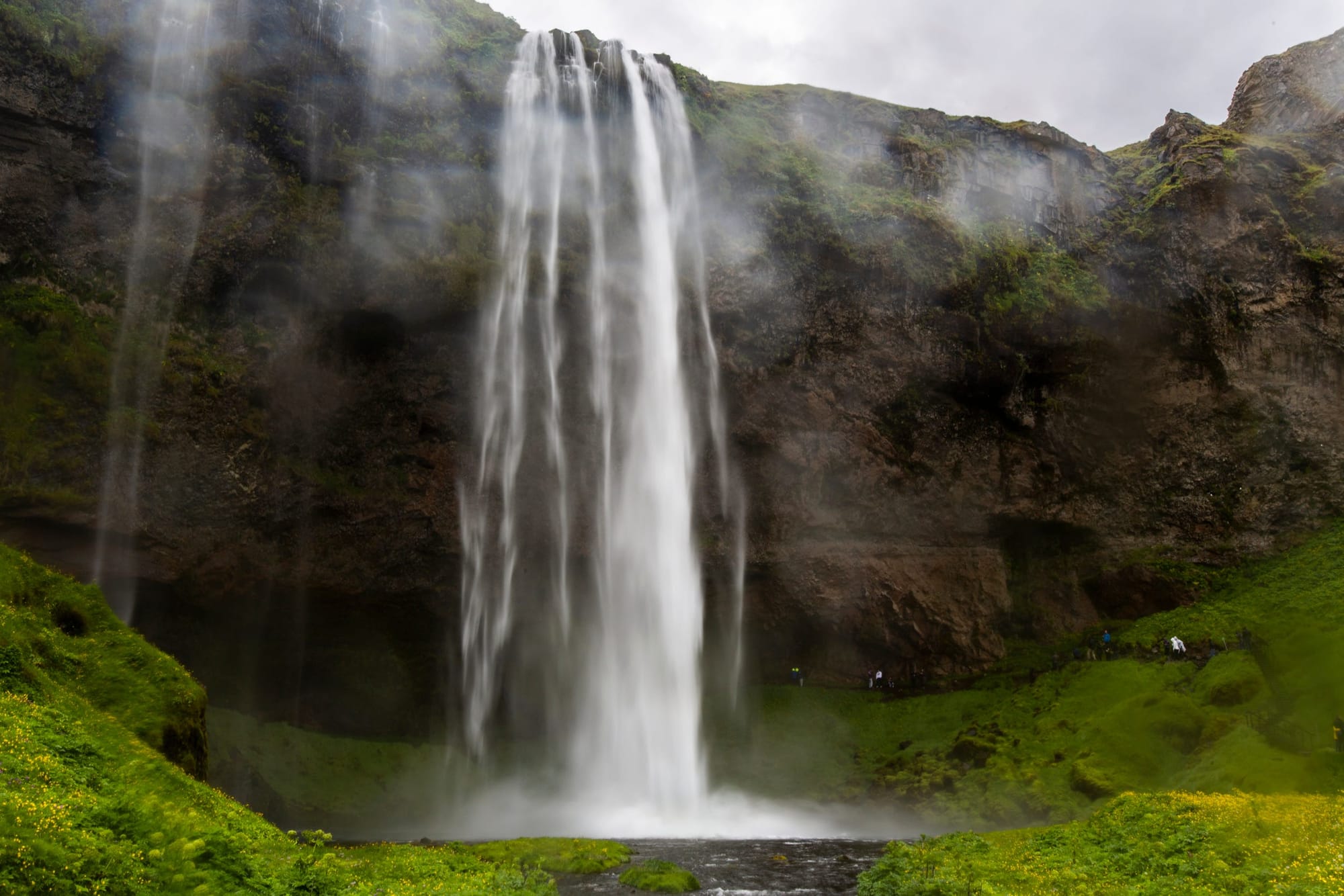
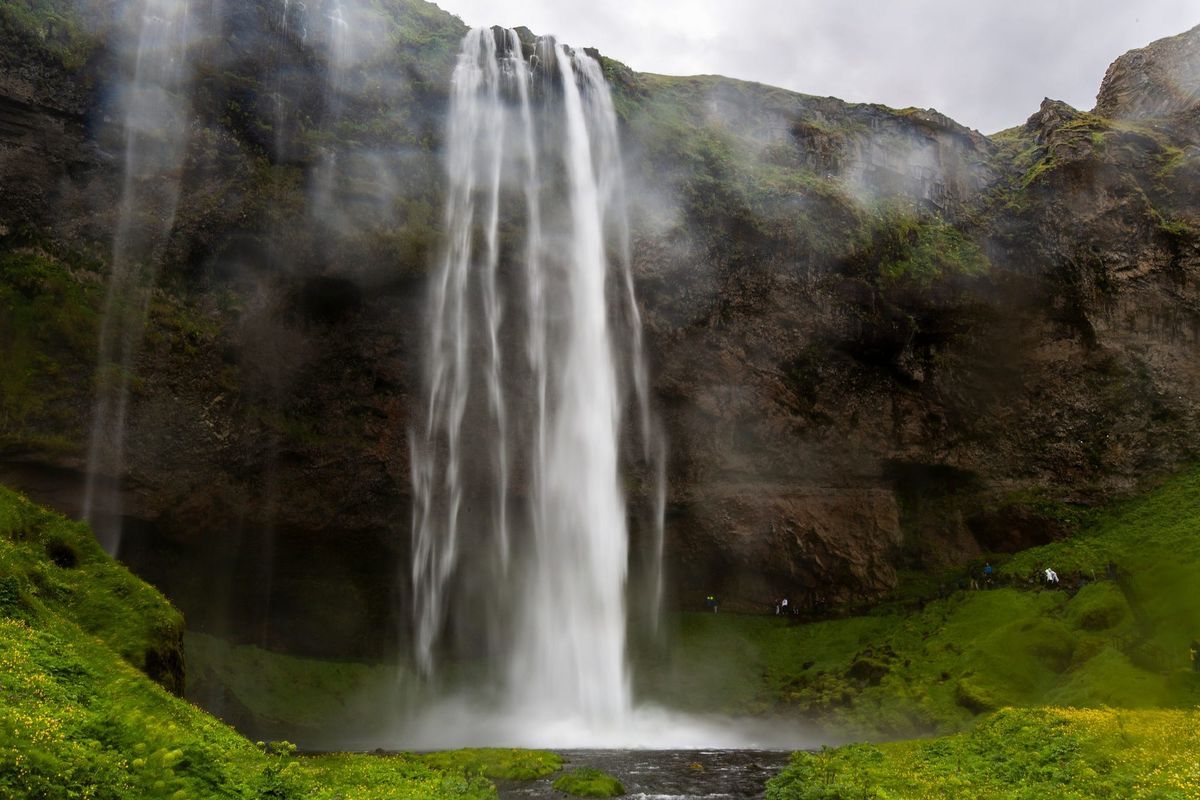
Seljalandsfoss, a waterfall with a path that runs behind the waterfall, is pictured above
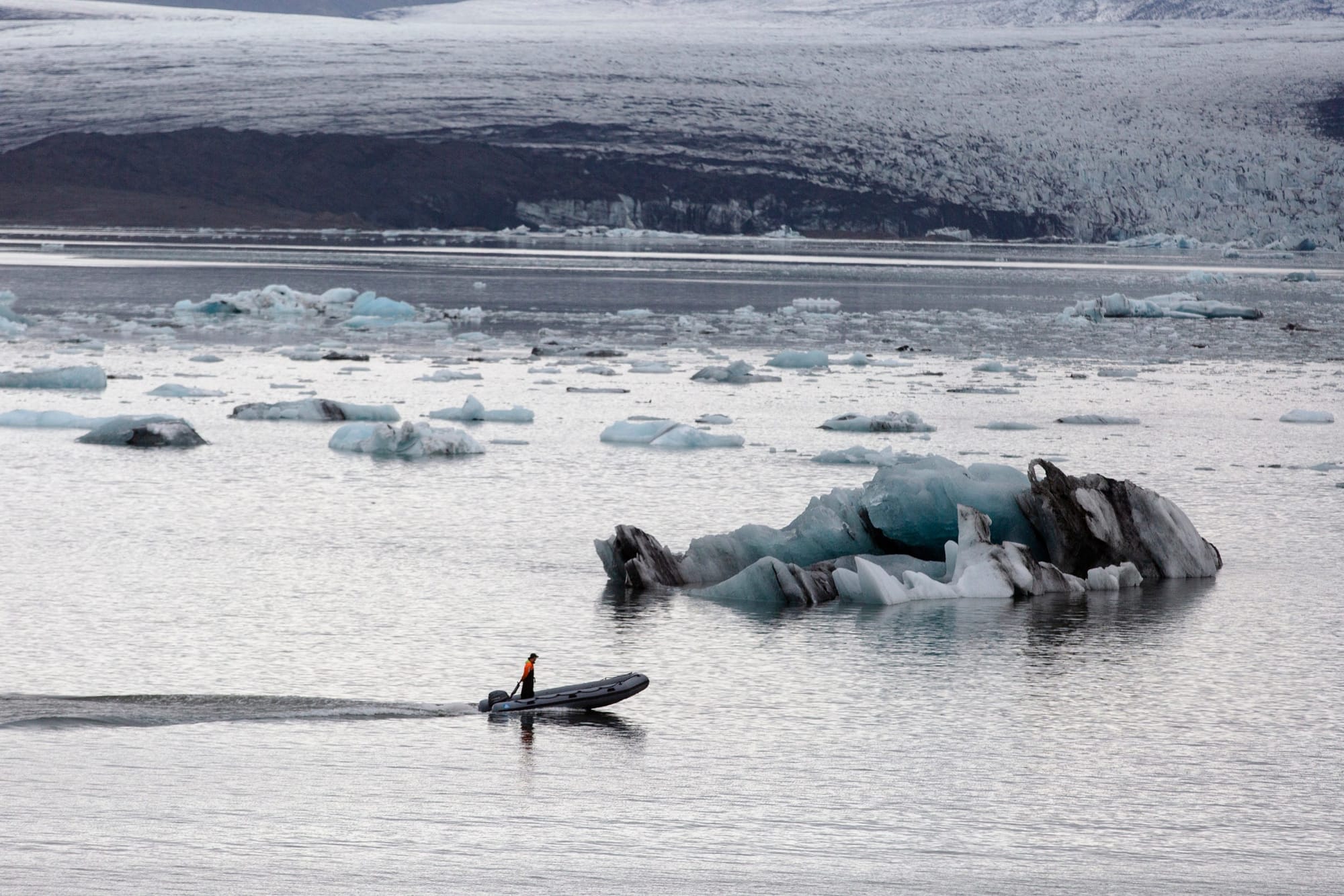
A zodiac boat tour guide drives through Jökulsárlón, a glacial lagoon, bordering Vatnajökull National Park in southeastern Iceland
Before you read on, please consider liking this edition of Inside The Newsroom by clicking on the little ❤️ below the title. That way clever algorithmic things can happen and more people will be able to learn about Iceland.
Is Iceland’s Tourism Dying?
Like I said, all I’ve heard from friends over the past few years was Reykjavik this, Reykjavik that. So it was a complete shock to learn from a couple of locals that Iceland’s tourism has actually fallen off a cliff over the past year. The country has seen tourist numbers skyrocket into the millions over the past decade, but that number in May plunged 24 percent compared with the same month a year earlier. The situation could get even worse, and the country readies itself for a deep recession.
Ragnhildur Sigurdardottir for Traveller
So Where is the ‘New Iceland’?
Now that millions of tourists have shunned Iceland, where is the new go-to destination? I was surprised to see that Sri Lanka wasn’t among the top ten fastest-growing tourist destinations for 2019, because that’s the latest place to be rammed down my ears. My next voyage will be to Israel later this month, so maybe I’ll combine with this with a cheeky visit to some Palestinian territories, which are set to see huge growth this year.

24-Hour Daylight… Ugh
I’ve experienced the midnight sun before — on a trip to the North Cape via the Norwegian Fjords — but I was just a wee teenager and could sleep in any environment (as a kid I once slept through an entire Status Quo concert). Now that I’m a full adult, a lack of sleep poses challenges, and a 12:04am sunset in Reykjavik didn’t help.
Complaints aside, the extreme changes in daylight hours has drastic effects on the brain, both positive and negative. In the summer, when sunlight is most plentiful, we produce more serotonin — the happy chemical — than we do in winter. But, disruptions to our circadian rhythms can exaggerate existing mental conditions. That’s part of the reason why one in 10 Icelanders suffers from depression.
Young Icelanders Want Out
Ambling through the streets of any new city I always find myself wondering if I could live there. The main stumbling block, aside from the disruptions to sleeping patterns and abnormally high depression rates, was the sheer isolation of the country. Turns out I’m not alone in that trail of thinking: In 2015 it was reported that half of young Icelanders wanted to leave the country. The intentions of the country’s young people is worrying, but better news for Iceland is the forecasted 25 percent increase in population to 436,000 by 2067.
Paul Fontaine, The Reykjavik Grapevine
Icelandic Soccer Doesn’t Make Sense
With all the pessimistic news about Iceland’s ageing population, not to mention there’s less people in the entire country than there is in Wichita, Kansas, it really does make you think how insanely over-achieving the Icelandic soccer team is. In 2016, the Icelanders beat England, a country of around 55 million, to reach the quarter-finals of the European Championships, and last year’s World Cup appearance means they’re currently ranked 42nd in the world.
Now, while size of population alone does not determine the quality of a team, it is one of the most important factors. The more players to choose from, the better chance you’ll find better players. In fact, a whole book was written on the reasons why some countries do better than others — Soccernomics — and I spoke to the author a few weeks ago, Stefan Szymanski.
Related Podcasts
#40 — Ben Casselman (New York Times)
#37 — Josh Morgerman (Hurricane Man)
Next Up…
… (I hope) is Sebastian Junger, author of the books The Perfect Storm and Tribe.
Last Time
#43 — Kashmir Hill (New York Times)
Thanks so much for making it all the way to the bottom. If you haven’t already, please consider subscribing to get a newsletter about a cool news topic in your inbox every time I release a new podcast (1-2 times a week). You can find me on Twitter at DanielLevitt32 and email me corrections/feedback or even a guest you’d like me to get on the podcast at daniellevitt32@gmail.com. Or just give us a like immediately below, whatever works.